Affordable Tree Trimming Project Planning
Discover Vital Tree Care Methods for Best Tree Maintenance
Knowing how to care for trees is vital for keeping the surroundings healthy. Crucial methods such as mulching and pruning are extremely important in enhancing tree health. In addition, correct irrigation methods are critical for root establishment. Nonetheless, most people miss the indicators of tree illness and the value of professional arborists. Looking into these areas can foster a greater respect for how to maintain trees. What steps can one take to guarantee their trees thrive?
Recognizing Why Tree Health Matters
Knowing why tree health is crucial is essential, as trees are key players in preserving the ecosystem's equilibrium and making urban areas better. Healthy trees contribute to air quality, give shelter, and provide refuge for nature. Furthermore, they help lessen climate change by absorbing CO2, proving their necessity for a sustainable environment.
In city environments, properly cared-for trees look better, boost real estate worth, and promote community well-being. Their presence can reduce heat island effects in cities, which saves money on energy.
Neglecting tree health, in contrast, can result in disease, bug invasions, and weakness in structure, creating dangers to infrastructure and the trees themselves. Therefore, identifying signs of a healthy tree, like the color of the leaves, its development rate, and the state of the bark, is vital for proper care. In the end, caring for vibrant trees benefits not just individual landscapes but the wider ecological system, stressing the importance for forward-thinking attention and management practices.
Crucial Techniques for Cutting Branches
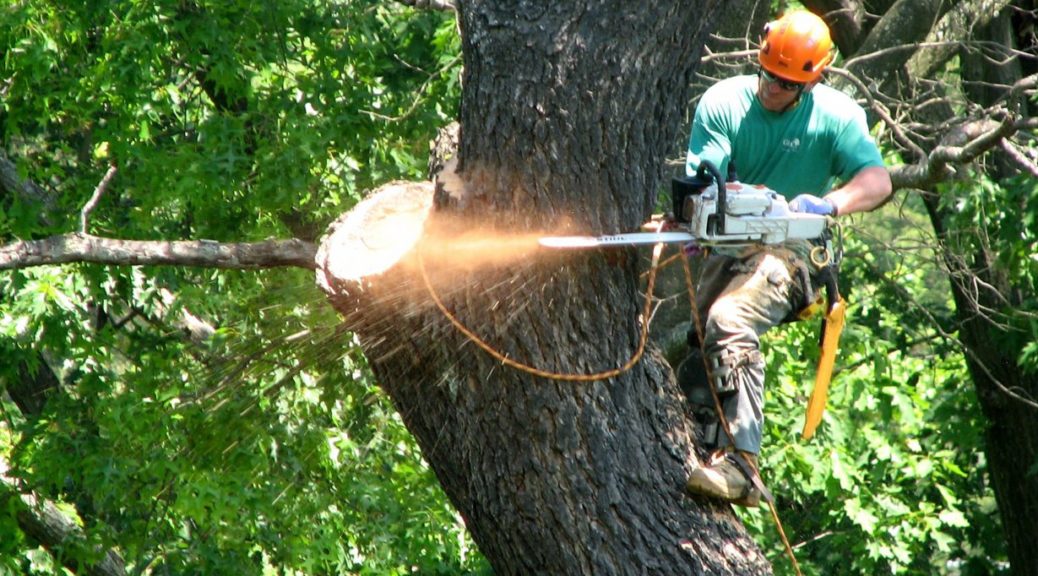
Pruning is an important practice in tree care that ensures optimal development and well-being, as it removes dead or diseased branches and boosts ventilation within the canopy. Employing proper techniques ensures the trees can grow well in their setting.
A key method is "thinning," which involves selectively removing branches to improve sunlight exposure and decrease stress on weaker parts. 'Heading cuts' is a common approach, where the tips of branches are trimmed to encourage thicker growth, mainly in juvenile trees. Furthermore, the 'crown reduction' method decreases the size and reach of a tree while preserving its inherent form.
When to prune is key; cutting during the inactive period reduces strain and optimizes healing. Tools should be sharp and clean to prevent injury and disease transmission. Knowing these essential trimming methods is crucial for any tree care professional who seeks to keep healthy and visually appealing trees.
Recognizing Typical Tree Ailments
How can tree owners recognize the symptoms of frequent ailments that threaten their trees? Knowing the particular signs is vital for quick spotting and action. Common indicators include discolored or wilting leaves, suggesting potential fungal issues or insufficient nourishment. Strange developments, for example, galls and cankers, may indicate insects are present or diseases that harm the tree's vitality. Furthermore, peeling bark or oozing sap can be a sign of disease that demand quick action.
Arborists should look for changes in tree structure, such as branches dying or leaves falling, suggesting a deeper, more serious issue. Watching for evidence of bug problems, like frass or bore holes, is just as critical. Through vigilance and promptness, they can recognize these typical illnesses and seek appropriate remedies, making sure their trees stay strong and lively across the different seasons.
The Role of Mulching in Tree Care
Mulching is a key technique in tree care, offering numerous benefits that foster robust growth and resilience. This technique requires placing a covering of organic or inorganic material at the tree's base, helping to keep the soil damp, suppress weeds, and moderating temperature fluctuations. This protective barrier does more than minimize competition from competing weeds but also improves the look of the yard.
Furthermore, natural mulching materials, like bark or wood chips, gradually decompose, providing essential nourishment and bettering its texture. This natural breakdown helps roots establish and creates a more see here robust setting for the plant. Furthermore, applying mulch helps stop the erosion of soil, which helps maintain the stability of the tree’s foundation. Appropriately spread mulch must be distributed in a donut shape, avoiding direct contact with the trunk to prevent rot. In conclusion, incorporating mulching into tree care routines considerably contributes to the sustained well-being of trees.
Optimal Watering Methods for Trees
Quality tree upkeep needs not only mulching but also proper watering practices to ensure optimal growth and health. Tree specimens, especially those recently planted, need consistent moisture to establish strong root systems. Deep hydration is crucial, as it promotes roots to descend where moisture is more stable. Optimally, trees need roughly one inch of water per week, be it from precipitation or supplemental irrigation.
Watering should be done during the early morning hours to reduce evaporation and disease caused by fungi. It is important to avoid overwatering, which often causes root decay and other issues. Check the ground for moisture before watering; if the top two inches are dry, it is time to provide water. Furthermore, employing a soaker hose or drip irrigation can provide a slow, steady supply of water, making sure trees get enough water without the danger of water runoff. Effective hydration techniques are essential contributors to the general well-being of trees.
Retaining Specialized Tree Care: Reasons and Necessity
In evaluating the health and aesthetics of a property, engaging expert tree care may prove essential for homeowners facing complex tree care needs. Trained arborists hold the expertise to evaluate the condition of trees, recognize pathogens, and implement effective treatments. Professionals are familiar with local regulations concerning tree removal and maintenance, guaranteeing compliance and preventing costly penalties
(Stillwater Tree Service)Homeowners should consider hiring professionals when dealing with big trees, especially those close to buildings or power lines, as mishandling creates safety hazards. Furthermore, trees requiring pruning for looks or well-being profit from the expertise of trained specialists who can make accurate cuts to stimulate new growth
Routine seasonal work, such as preparing for storms and clearing debris, need professional assistance to maintain property safety and appearance. Finally, hiring certified arborists guarantees that trees receive ideal care, which benefits greatly the property's aesthetics and property value
FAQs
What Are the Signs if My Tree Is Receiving Too Much Water?
Signs of overwatering in trees include chlorotic leaves, limpness though the soil is damp, rotting root systems, and significant defoliation. Additionally, the presence of fungal growth at the tree's base often suggests slow soil percolation and saturated soil.
What's the Optimal Season for Tree Pruning?
The optimal period to prune trees is generally in the cold months before spring before the onset of new foliage - Stillwater Tree Service. Scheduling the work then supports robust regeneration and reduces the tree's strain, allowing for effective healing and development
Can Trees Recover From Severe Storm Damage?

Yes, trees can recover from severe storm damage. If maintained correctly, such as pruning damaged limbs and ensuring sufficient hydration and feeding, most trees will recover their vitality and continue to thrive despite enduring major trauma.
What Is the Process for Selecting the Right Mulch for My Trees?
To choose the right mulch for trees, one should consider organic materials for example, bark nuggets or wood shavings, apply it to a depth of 2-4 inches, and never stack mulch against the base to prevent disease.
Are Some Trees Higher Maintenance Than Others?
Some species, for instance, new plantings and orchard trees, demand more care owing to their vulnerability to weather fluctuations and unique feeding requirements. Regular monitoring and tailored maintenance practices are vital for their condition and development.